
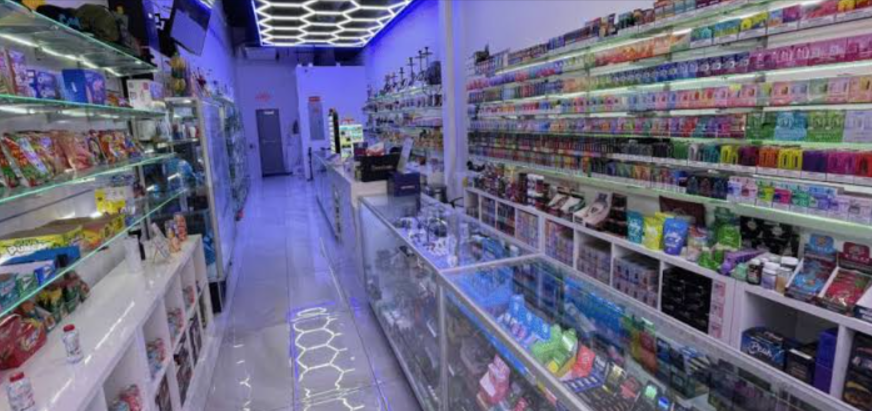
Convenience retailers often work in fast-moving markets. Buyers don’t just want shopping experiences that fit their everyday routines. They also want familiar products, quick service, and fair prices. To be relevant, retailers don’t just need to be familiar with these changing needs. They need to adjust their services and products, too. The following is how convenience retailers adapt to changing preferences of consumers:
1. Understanding What Modern Shoppers Want
Buying conveniently entails more than ordering something quickly. Today, customers consider store cleanliness, product availability, and payment options. Retail stores that consider these details don’t just encourage customers to return. They also create more satisfying experiences.
Buying habits also vary between age groups and communities. Commuters might want ready-to-eat breakfasts. But nearby residents might want household essentials after work. A retailer may study several buying patterns and talk to customers so they can understand which services and products matter most to local markets.
2. Adjusting Product Selection to Local Demand
A convenience retailer needs to regularly review their shelves so they can reflect different preferences. Some customers often look for smaller household packs, fresh snacks or ready-made meals. But others prefer more affordable daily essentials. Stocking the right products helps a store meet various needs without filling its space with goods that hardly sell.
Tobacco, as well as other age-restricted products, needs proper management where they are sold legally. For instance, a buyer looking for Pop N Smoke Cigarettes might expect particular products to be available. However, retailers don’t just need to follow applicable sales requirements. They also need to follow age-verification and advertising requirements. Understanding the needs of customers shouldn’t come at the expense of responsible retail practices.
3. Balancing Affordability and Customer Experience
Price is important. This is true, especially when a household has a tight budget. A customer might compare prices from different stores when their normal purchases become costly. A retailer may respond by keeping important products available at a good price and reviewing costs of different suppliers.
But competing on prices alone won’t be enough. Helpful employees and fresh products may also determine where customers buy. A retailer needs to know what their clients value. Plus, they need to maintain a perfect balance between operating costs and product quality.
4. Building Stronger Community Connections
Convenience retailers with local knowledge have an added advantage over their competitors. A store owner who listens to a customer’s feedback identifies unmet needs, like products which are hard to find, suitable opening hours, and locally preferred food.
In addition, communication connections are also established through daily interactions. Dependable stock levels, friendly service, and honest product information usually build trust over time. When a customer feels understood, they get more reasons to buy from a store.
In conclusion, a convenience retailer successfully adapts when they take changing consumer preferences seriously. By simplifying purchases, they may respond to the practical needs of customers. A strong approach combines consistent service with careful observation. In turn, this enables retailers to remain relevant.

More Stories
Mojini Login and Registration Guide
EBC Nestham Login: Step to Step Guide for Users
Why Canadian Lights Smokes Are the Preferred Choice of Most Smokers in Canada?